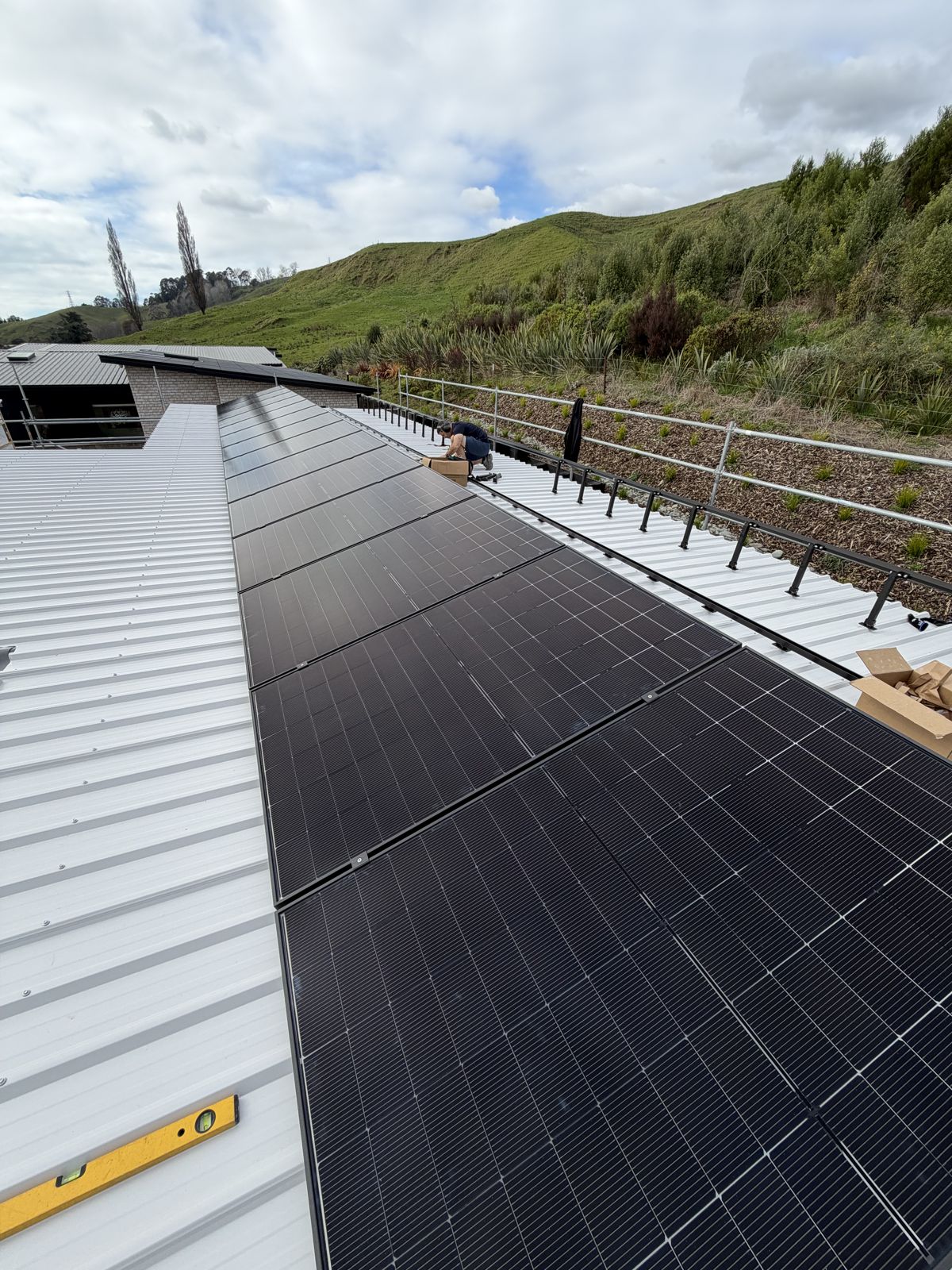
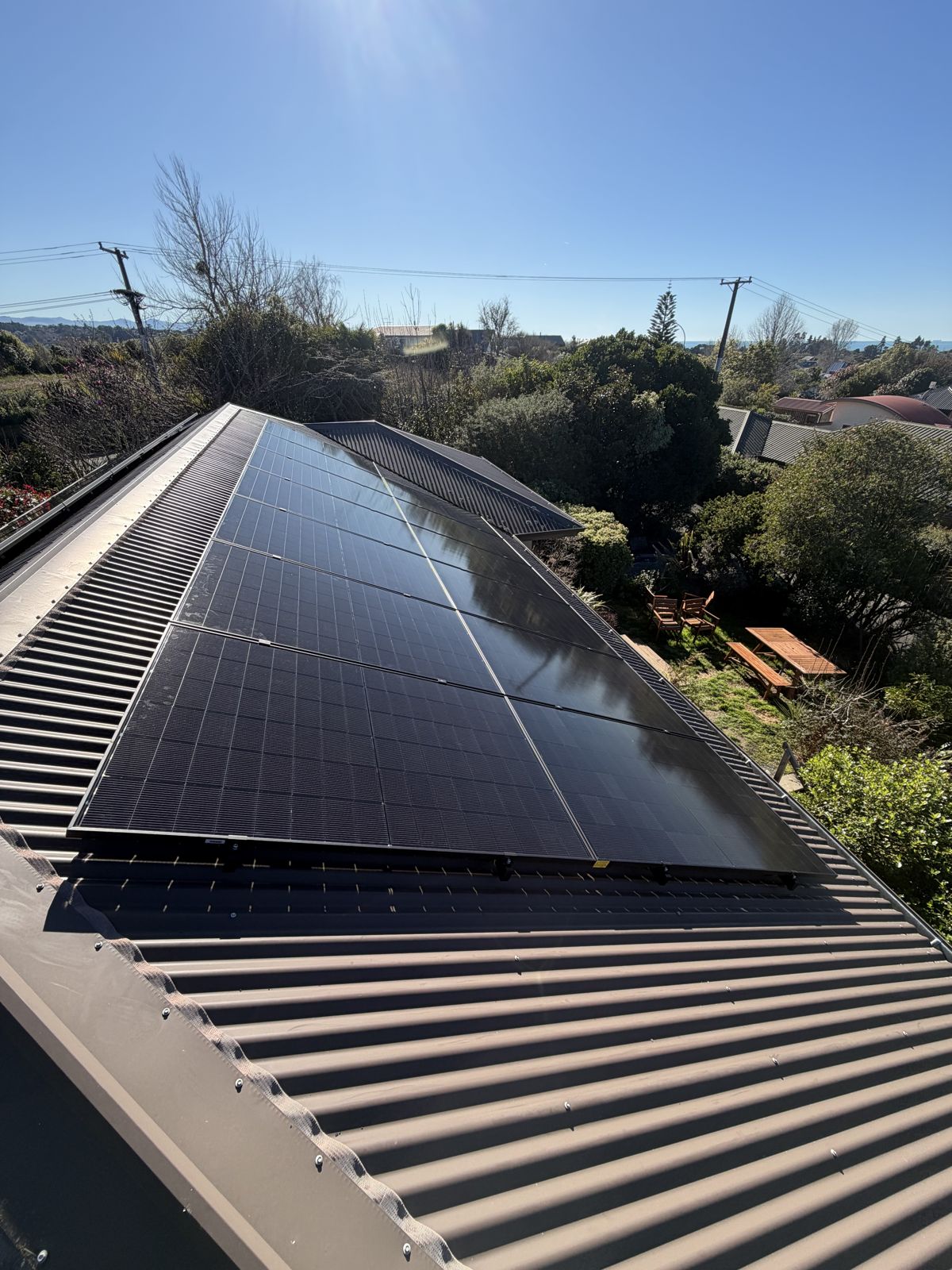
There's more than one way to put a solar system together, and it isn't the industry making things complicated. It comes down to what you want your solar to do and what you want to spend. All three setups below use the same Sigenergy gear, so you aren't comparing quality. You're choosing how independent from the grid you want to be, and each one builds on the last.
1The foundation
Hybrid inverter only
The Sigenergy hybrid inverter turns the DC power your panels make into AC power your home can use, in real time, while the sun is up. Anything you don't use goes to the grid, usually for a credit.
With no battery, once the sun goes down you're back on the grid as normal. And if the power goes out, so does everything else. For safety reasons, solar alone can't run without the grid there.
Best suited to
Households who mostly use power during the day, are working to a tighter budget, and want to start cutting bills now with the option to add a battery later.
2Where the savings jump
Hybrid inverter with battery storage
The same inverter, plus Sigenergy's stackable SigenStor battery modules. Rather than sending spare solar to the grid for a small credit, you store it at home for the evening, when the oven's on and the sun is long gone.
Most households see the biggest jump in savings here, because you use far more of your own power instead of buying it back at retail rates. Being upfront: without the Gateway, this won't keep the house running in a power cut.
Best suited to
Households wanting to maximise savings and use as much of their own solar as possible, but who aren't especially worried about outages.
3The full setup, with backup
Hybrid inverter, battery and Gateway
We add the Sigenergy Energy Gateway to the inverter and battery. It lets your system safely disconnect from the grid the moment the power goes out and switch the house over to battery and solar, fast enough that most people never notice.
Depending on the setup, you can back up the whole home or just the essentials like the fridge, lights and internet, so the battery lasts further through a long outage.
Best suited to
Households who want the savings of setup two, plus real backup power when the grid goes down.
Side by side
This is general information. Actual system sizing, battery capacity and backup coverage depend on your home's power use and roof, and are confirmed during your site assessment.